
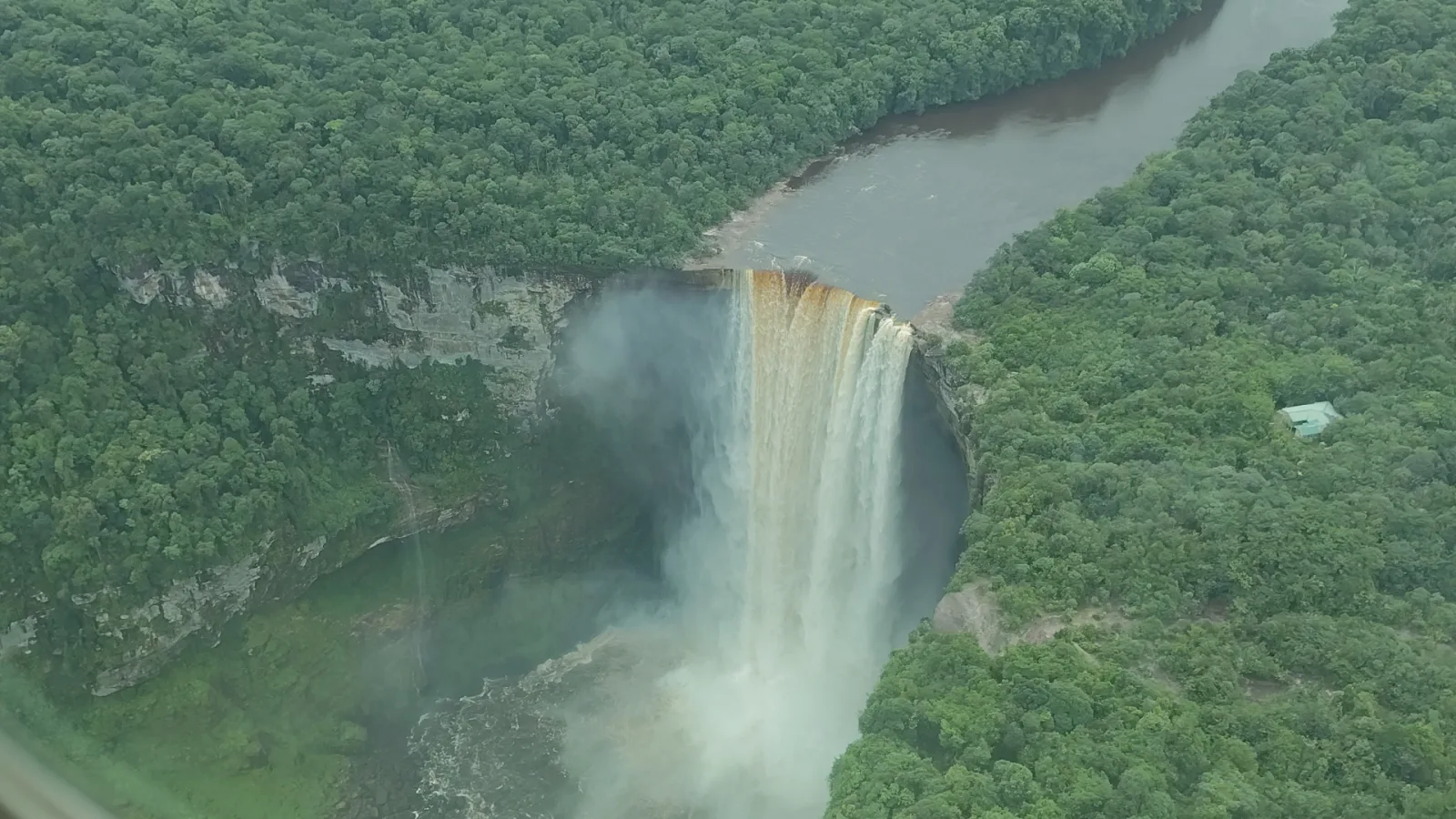
Kaieteur Falls is a 226-metre (741-foot) single-drop waterfall on the Potaro River, deep in the rainforest of Kaieteur National Park in central Guyana. Most people visit on a same-day trip from Georgetown, about an hour each way by light aircraft, with up to 2 hours at the lookouts. Our guided day tour is GYD 80,000 per person, or GYD 95,000 with a swim at Orinduik Falls.
- Single drop
- 226 m (741 ft)
- River
- Potaro, an Essequibo tributary
- Where
- Kaieteur National Park, Region 8
- From Georgetown
- About 230 km; about 1 hour by air
- Time at the falls
- Up to 2 hours
- Park created
- 1929
- Day tour
- GYD 80,000
- + Orinduik swim
- GYD 95,000
Last checked: 11 November 2026 by the Guyana Tours team. Prices and days are for our own tours; every other fact is sourced at the bottom of this page.
Photos don’t prepare you for it. The Potaro River slides across a flat sandstone plateau, then falls in one clean drop into a gorge lined with rainforest, throwing up spray that catches the light as rainbows. There are no hotels, fences or crowds at the edge, just the roar of the water, the lookouts and a park guide. This page puts everything you need in one place: what to expect, which month to go, how the day runs, and how to book.
Kaieteur only, or Kaieteur + Orinduik?
Kaieteur Falls Day Tour
GYD 80,000 per person
- Runs Monday, Wednesday, Friday, Saturday and Sunday
- Up to 2 hours at Kaieteur with a guide, visiting the lookouts
- Includes the return flight, the national park fee, a tour guide, and a snack with a non-alcoholic drink
- Half a day: back in Georgetown the same afternoon
Kaieteur & Orinduik Double Waterfalls
GYD 95,000 per person
- Saturdays and Sundays only
- About 2 hours at Kaieteur, lunch, then 1.5 to 2 hours swimming at Orinduik Falls
- Includes the return flights, park fees, a tour guide, and lunch with a non-alcoholic drink
- Pick this if a swim matters to you: there’s no swimming at Kaieteur
On both tours, kids pay the adult price, and children aged 3 and under go free if they are small-sized (we check the weight of any 3-year-old before confirming). Airport transfers aren’t included; ask us and we’ll tell you what we can arrange. Orinduik is a different kind of waterfall: wide, shallow steps of red jasper on the Ireng River at the Brazilian border. Read more in our Orinduik Falls guide.
Check seats for your date
Seat availability changes daily, so we check your date with the airline and send the answer on WhatsApp. Nothing is booked until you confirm.
Check this date on WhatsAppPrefer to call? +592-718-2515 (call or WhatsApp). Please have a backup date in mind.
Your day, hour by hour
Here is how a Kaieteur day runs on our tour. Exact times change with each flight and the weather, and we send yours when we confirm your seat. The times in brackets are from one of our real trips in January 2026.
- Check-in (before you fly)Meet us at the domestic airport at the time we send you. Passengers and bags are weighed, because light aircraft have strict load limits. Use the washroom before you board.
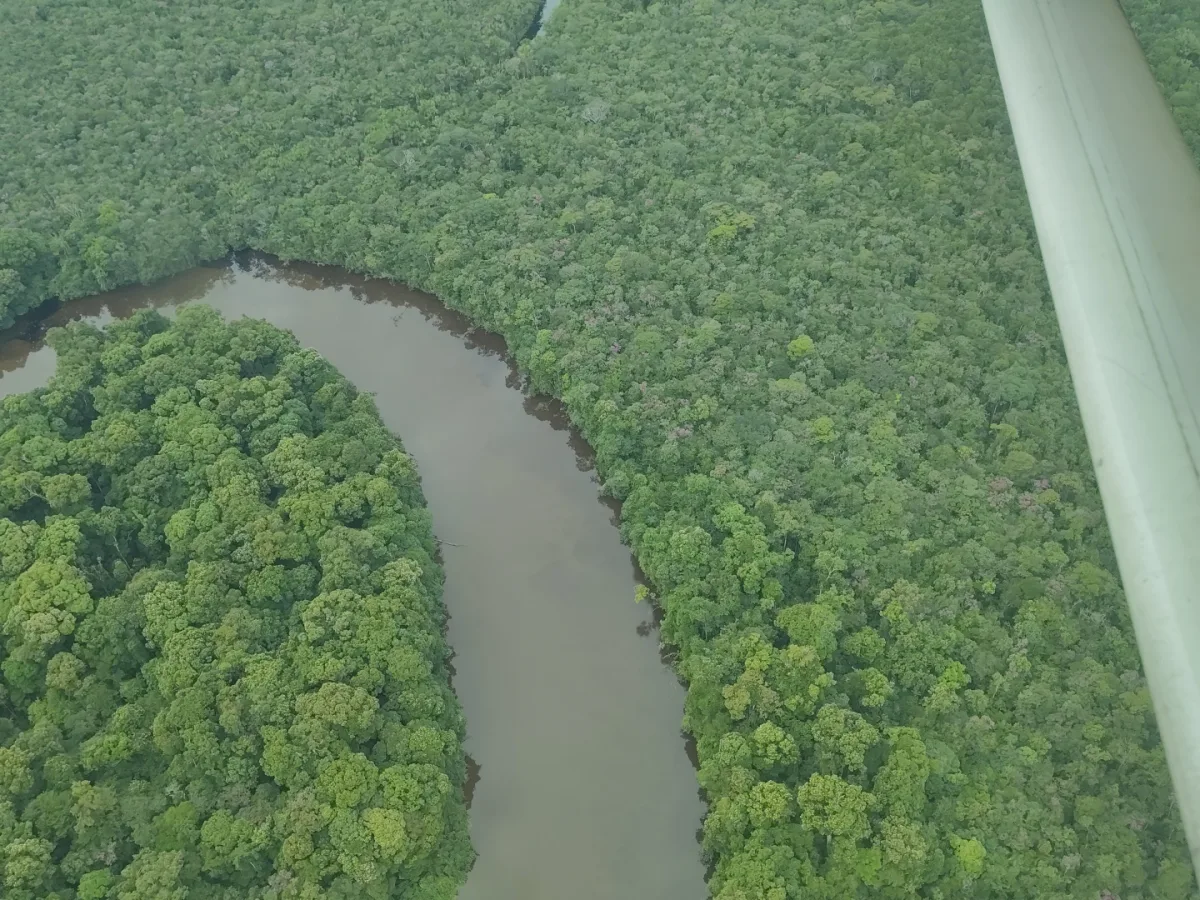
- The flight in, about 1 hour (crossed the coast about 10:15 am)Rice fields and the coast give way to unbroken rainforest and brown rivers looping through it. Sit by a window and keep your phone ready.
- First sight of the falls (about 11:15 am)On a clear day you may see the falls and gorge from the air before landing. Weather decides this, so treat it as a bonus.
- Land and meet the park guideThe airstrip is on the plateau, a short walk from the falls. There’s a washroom break at the park buildings, and a park guide walks with your group. Rangers lead every group on the trail.
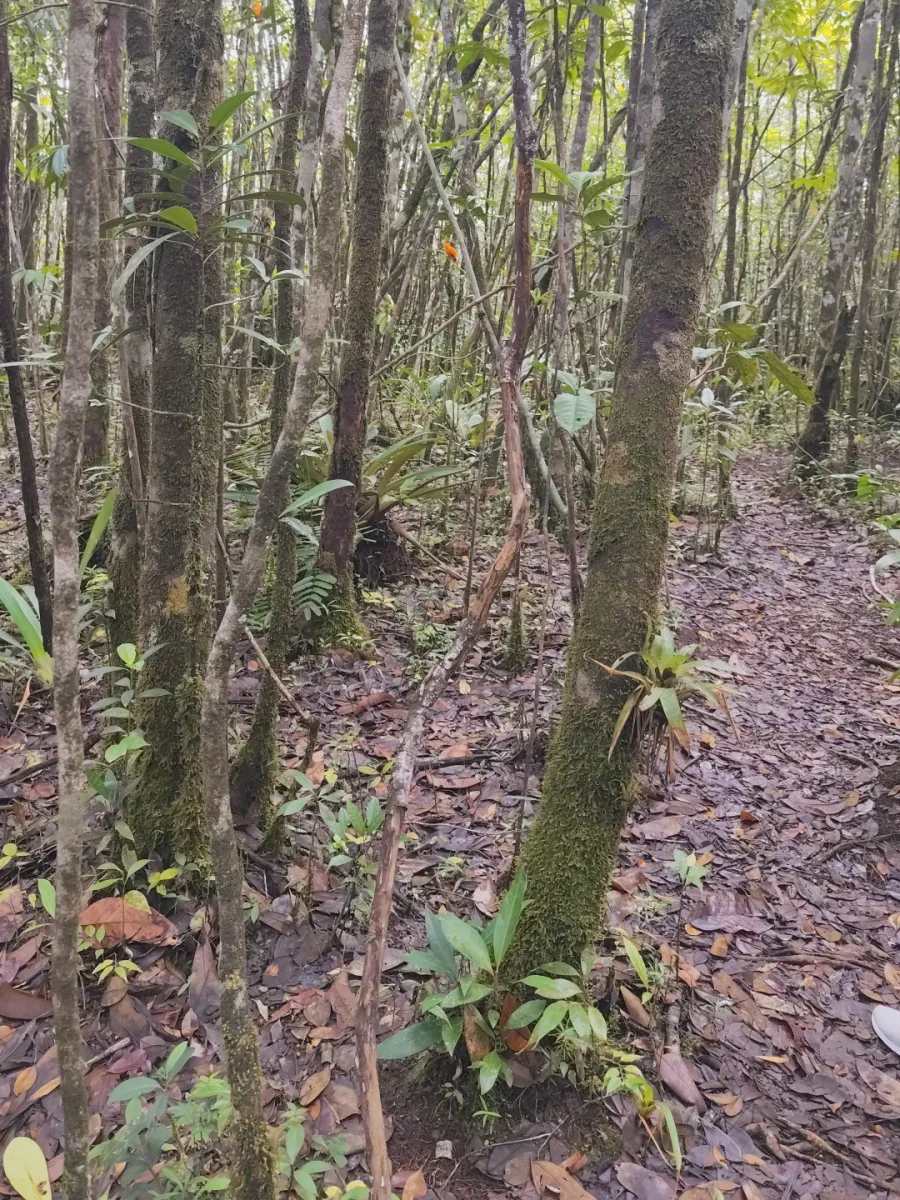
- The trail and the lookouts (about 11:30 am to 1:20 pm)A walk of about 20 minutes through low forest and open sandstone, past giant tank bromeliads, brings you to the first lookout. You then visit the lookouts in turn, each with its own angle on the drop and the gorge. Up to 2 hours on the ground in total.
- Snack, or lunch and on to OrinduikDay-tour guests get a snack and a non-alcoholic drink. On the double-waterfalls tour you have lunch at the main building at Kaieteur, then fly on to Orinduik for 1.5 to 2 hours in the pools.
- The flight home, about 1 hourBack in Georgetown the same afternoon, usually with a phone full of photos.
Map: where Kaieteur is, and the walk to the lookouts
The three lookouts visitors normally use are Johnson’s View, Boy Scout View and Rainbow View. Two other viewpoints, Break and Lookout, are closed to general visitors and need special permission from the Protected Areas Commission. Kaieteur International Airport is the park’s own airstrip, so there’s no road journey at the falls.
Pick your month: when is the best time to visit Kaieteur?
Kaieteur is worth seeing in any month. After rain the falls are fuller and more powerful; in the drier months the views from the lookouts are often clearer. The seasons below follow Guyana’s Hydrometeorological Service and match our best time to visit Guyana guide. Tap a month.
January
- Rain
- End of the short rainy season
- Water level
- Full and strong
- Crowds
- Quieter after the holidays
- Our verdict
- A good month: still plenty of water, fewer people than December. Pack a light rain jacket.
February
- Rain
- Dry season (Feb to Apr)
- Water level
- Lower than after the rains, still powerful
- Crowds
- Regular
- Our verdict
- Great for clear views and photos from the lookouts.
March
- Rain
- Dry season (Feb to Apr)
- Water level
- Lower than after the rains, still powerful
- Crowds
- Regular
- Our verdict
- Great for clear views. Rodeo season in the Rupununi too.
April
- Rain
- Dry season (Feb to Apr)
- Water level
- Lower than after the rains, still powerful
- Crowds
- Regular
- Our verdict
- Clear-view season, and the last month of the first dry season.
May
- Rain
- Main rainy season (May to Jul)
- Water level
- Rising towards its fullest
- Crowds
- Regular
- Our verdict
- The falls get bigger, but cloud is more likely. A backup date is essential.
June
- Rain
- Main rainy season (May to Jul)
- Water level
- At or near its fullest
- Crowds
- Regular
- Our verdict
- Kaieteur at its most powerful. Expect showers and keep a backup date.
July
- Rain
- Main rainy season (May to Jul)
- Water level
- At or near its fullest
- Crowds
- Regular
- Our verdict
- Huge water. The rains usually ease in the north from mid-July.
August
- Rain
- Second dry season (Aug to Oct)
- Water level
- Still strong after the rains
- Crowds
- Regular
- Our verdict
- One of the best all-round months: good water and clearer skies.
September
- Rain
- Second dry season (Aug to Oct)
- Water level
- Moderate
- Crowds
- Regular
- Our verdict
- Reliable views and calmer weather.
October
- Rain
- Second dry season (Aug to Oct)
- Water level
- Moderate
- Crowds
- Regular
- Our verdict
- Reliable views. Good if you want to beat the Christmas rush.
November
- Rain
- Short rainy season (Nov to Jan)
- Water level
- Building up again
- Crowds
- Busier as Christmas visitors book
- Our verdict
- Showers return. Book your December date now.
December
- Rain
- Short rainy season (Nov to Jan)
- Water level
- Full and strong
- Crowds
- Peak season
- Our verdict
- Home for Christmas? Holiday dates fill first, so check yours early.
“Dry season” doesn’t mean no rain, and “rainy season” doesn’t mean all-day rain. Flights only go when conditions are safe, which is why we always ask for a backup date.
Check live Kaieteur seats
Small planes fill up fast, especially on weekends and holidays. Pick a date below to see which GTA-licensed operators still have seats, or send a date request and the operators will reply on WhatsApp.
Planning from home or from abroad?
You live in Guyana, or you’ve never been
Most of our Kaieteur guests live right here in Guyana, and plenty of them have never seen it. It’s the trip people mean to do “one day”. Prices are in Guyana dollars and you can pay by MMG, cash at our office, or local bank deposit or transfer.
- Christmas with family: December dates go first. Message us with everyone’s full names and a backup date.
- Weekdays are easier: the day tour also runs Mondays, Wednesdays and Fridays, when weekend seats are gone.
- Bringing the children: kids pay the adult price, and we weigh-check any 3-year-old before confirming.
- Reserve with a deposit: a 50% deposit within 48 hours sets up your reservation; unpaid reservations are released after 48 hours.
You’re visiting from abroad
Coming home to see family, or seeing Guyana for the first time? Kaieteur fits into a short stay because it’s a half-day trip from Georgetown.
- Plan it early in your trip: if weather moves your flight, you still have time for your backup date.
- Prices are in GYD: ask us on WhatsApp for the amount in your currency on the day you pay.
- Getting to the airport: transfers aren’t included, but ask us and we’ll tell you what we can arrange.
- Safety questions? Read our honest guide: Is Guyana safe for visitors?
Making a holiday of it? See the best things to do in Guyana and Christmas in Guyana.
How big is Kaieteur Falls?
Kaieteur drops 226 metres (741 feet) in a single plunge, and carries an estimated 663 cubic metres of water per second at its maximum. Plenty of waterfalls are taller and a few carry more water, but very few pour this much river over one sheer drop, which is why Kaieteur is counted among the most powerful single-drop waterfalls in the world. Here is how it compares with the falls people already know. For the full story, read Kaieteur Falls height: how it compares.
| Waterfall | Country | Height | Width | What it’s like |
|---|---|---|---|---|
| Kaieteur Falls | Guyana | 226 m single drop | About 113 m on average (changes with the season) | One heavy column of water in untouched rainforest; a short flight from Georgetown |
| Angel Falls | Venezuela | About 979 m total; 807 m uninterrupted | A narrow ribbon | The world’s tallest; usually a multi-day trip to reach |
| Niagara (Horseshoe Falls) | Canada / USA | 57 m | Crest about 670 m | Wide and heavy, with a city on its edge |
| Victoria Falls | Zambia / Zimbabwe | About 61 to 108 m | 1,708 m | The world’s largest single sheet of falling water |
| Iguazu Falls | Argentina / Brazil | Up to about 80 m | About 2.7 km, in roughly 275 separate falls | A huge horseshoe of many falls, seen from walkways |
In short: Kaieteur is about four times as high as Niagara’s Horseshoe Falls and about twice the tallest part of Victoria Falls. Angel Falls is far taller, Victoria and Iguazu are far wider, and Kaieteur is the one where a single river drops all at once.
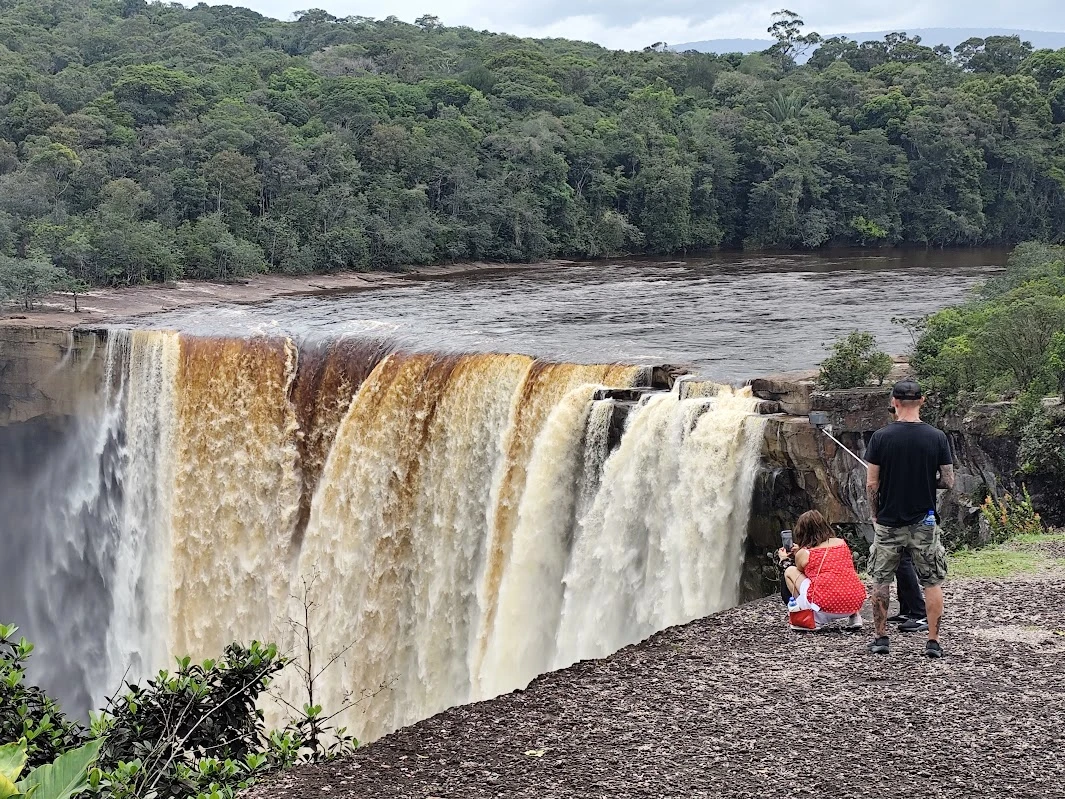
History, the legend of Kai, and the Patamona
Long before any map was drawn, the falls were known to the Indigenous peoples of the Pakaraima highlands, and above all to the Patamona, whose communities still live around the park. The name Kaieteur is believed to come from the Patamona Kayik Túwúk, “Old Man’s Falls”, written down a little differently by the first European visitor.
The legend of Chief Kai
The best-known story tells of Kai, an old Patamona chief, who paddled his canoe over the edge as an offering to Makonaima, the Great Spirit, to save his people. The legend has more than one version: on the night he first saw the falls, the British surveyor Charles Barrington Brown was told a different story by his Indigenous companions. Whichever version you hear from your guide, the falls are a spiritual place and a symbol for the Patamona today. At the request of Patamona communities, the Protected Areas Commission asks every visitor to use the park, and the falls above all, respectfully: stay on the trails, take nothing, leave nothing, and keep your voice down at the edge.
- For centuriesPatamona and other Indigenous peoples live, hunt and travel across the Potaro plateau.
- 1870Charles Barrington Brown, a government geologist, becomes the first European to record the falls. He returns the next year to measure them, and reports to the Royal Geographical Society in 1871.
- 1929Kaieteur National Park is created, the oldest protected area in the Amazon region, covering 116.6 km².
- 1973The park is cut to just 19.4 km² to allow mining.
- 9 March 1999A presidential order expands the park to about 627 km², protecting far more of the plateau and gorge.
- 2011 onwardsThe Protected Areas Act brings Kaieteur into Guyana’s National Protected Areas System, managed by the Protected Areas Commission. The Act also protects Indigenous peoples’ rights to keep using the park’s resources in traditional ways.
Want the story of the river itself? Watch a 35-day journey down the Potaro with Patamona locals, or read travel writer Chris Leadbeater’s visit to Kaieteur.
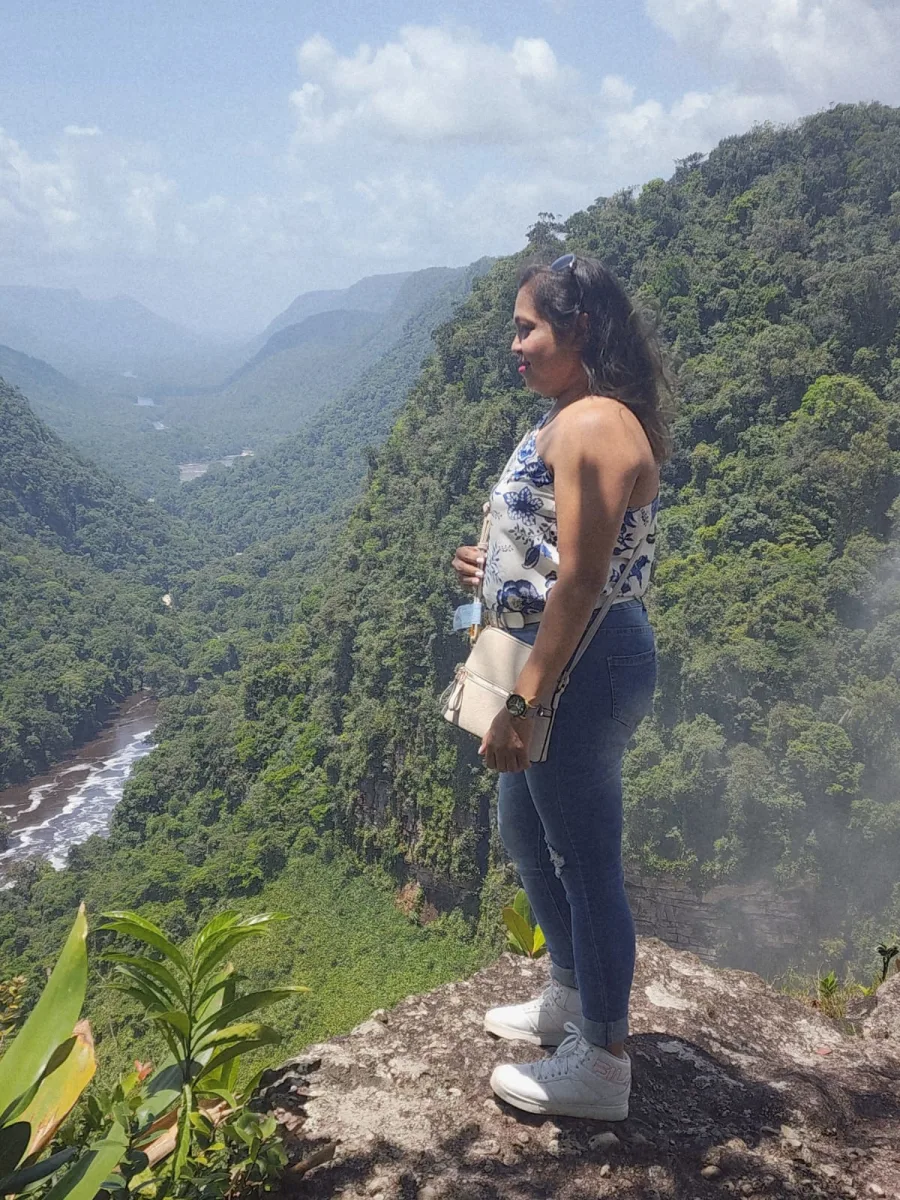
Wildlife at Kaieteur: what you might really see
Kaieteur sits on the Guiana Shield, rock more than 2 billion years old, and the open sandstone around the falls holds plants and animals found almost nowhere else. On a 2-hour visit, these are the ones to look for:
- Golden rocket frog (Anomaloglossus beebei): a tiny bright-gold frog found only in Kaieteur National Park. It spends its whole life inside giant tank bromeliads. Look into the water-filled leaves along the trail, and please don’t touch.
- Giant tank bromeliads (Brocchinia micrantha): huge rosettes of leaves that hold pools of rainwater, the frog’s whole world. You’ll walk right past them.
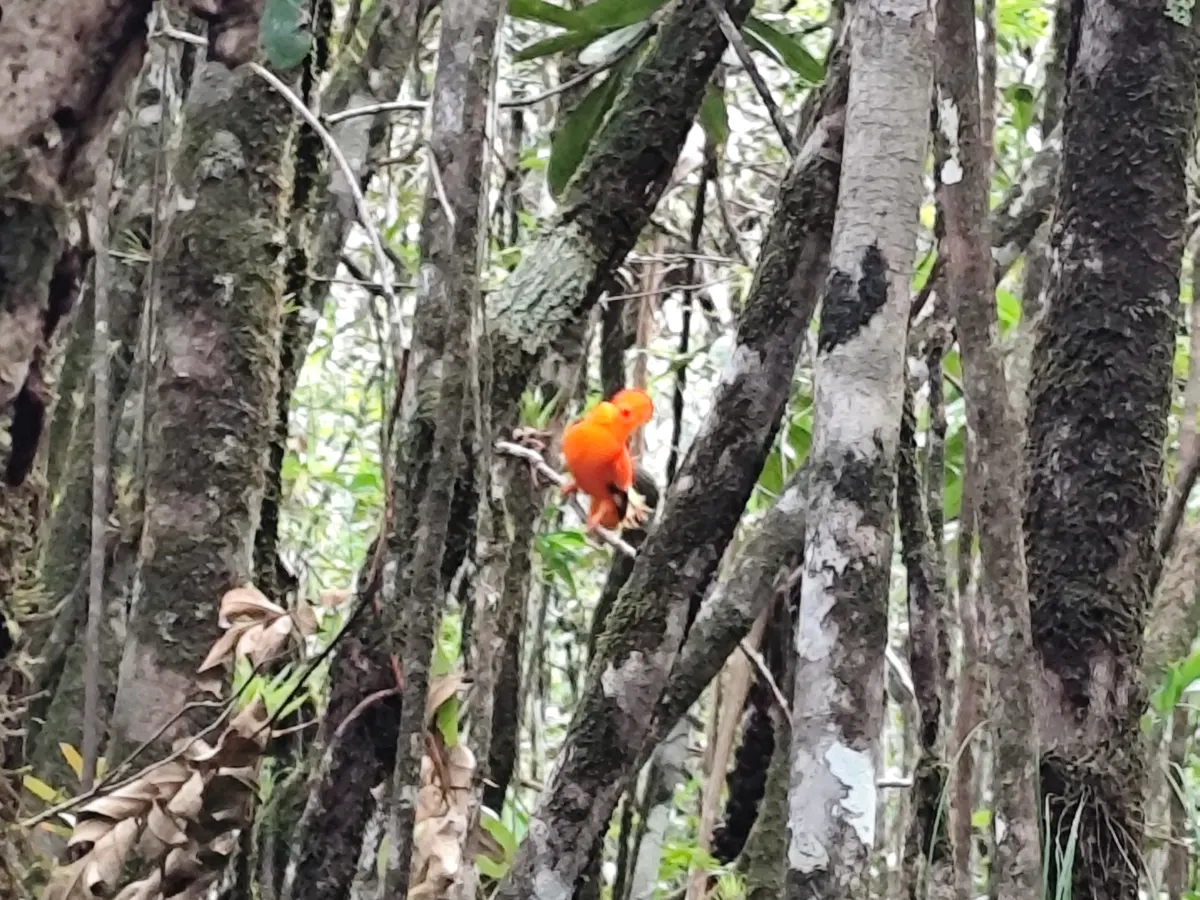
- Guianan cock-of-the-rock: a startling orange bird of the forest edge. Our guests spotted one beside the trail in January (photo below). More in our Kaieteur birdwatching guide.
- White-collared swifts: watch the gorge for swifts circling in the spray; they roost on the cliffs behind the falling water.
Big mammals such as the jaguar, tapir, giant anteater and giant armadillo live in the wider park but are rarely seen on a day visit. You’re more likely to hear red howler monkeys or glimpse a Guianan spider monkey. Giant river otters belong to Guyana’s rivers rather than the falls themselves. We’d rather tell you honestly than promise sightings.
What to bring, and staying comfortable
- Shoes with good grip. The trail and lookouts are rock and roots, sometimes wet. Leave the slippers at home.
- A light rain jacket or poncho. Showers come and go, even in the dry season.
- Sun protection and insect repellent: hat, sunscreen and repellent, even on cloudy days.
- A charged phone or camera and spare memory. A small waterproof bag helps in the spray.
- A small bag only. Load limits on the aircraft mean you should pack light.
- For Orinduik: swimsuit and towel.
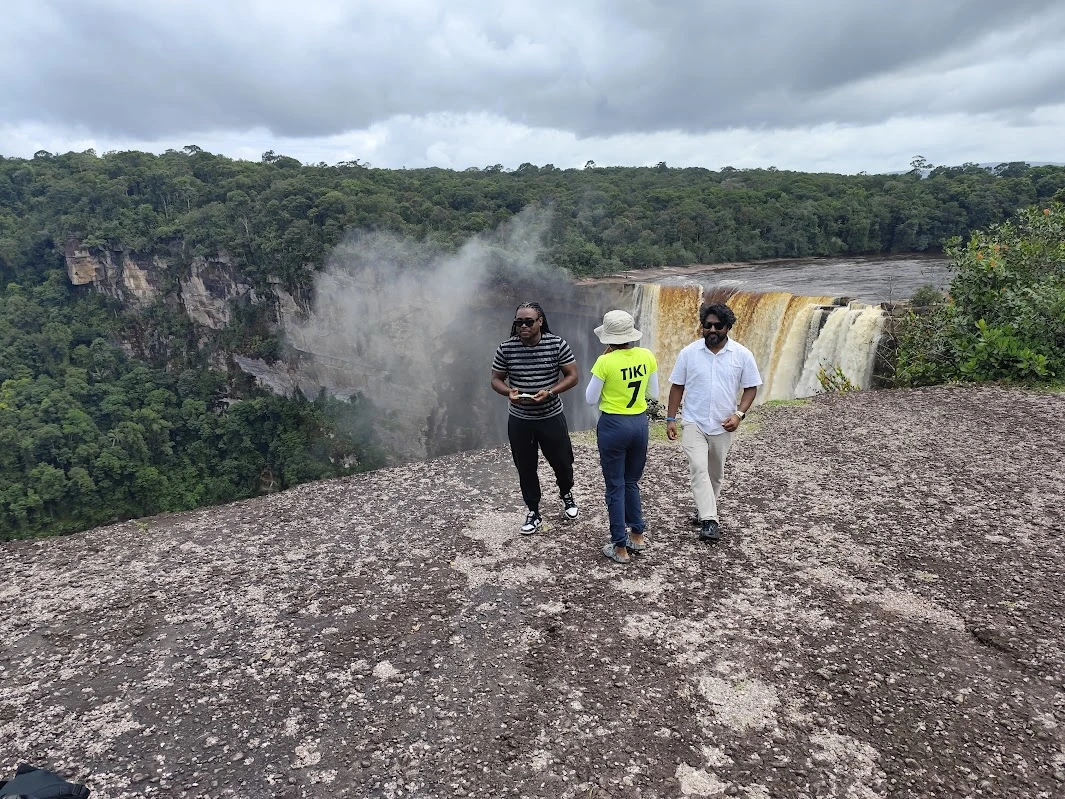
Staying safe and comfortable. The walk is short and mostly level, but uneven in places, so take your time. The lookouts are open rock with no railings: stay with your guide, keep well back from the edge and hold children’s hands. Bring any medicines you normally carry, drink water and wear a hat. If you have a mobility concern, message us before you book and we’ll talk you through the walk honestly. Flights only go when conditions are safe; if the weather changes plans, our team contacts you about your backup date.
Drones and filming: filming at Kaieteur for anything beyond personal photos needs a permit from the Protected Areas Commission. If you plan to bring a drone, check with the Commission before you travel.
Our Kaieteur tours
-
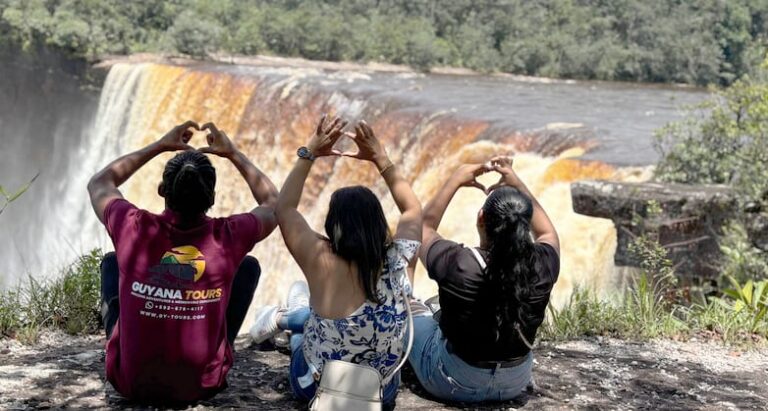
Kaieteur Falls Day Tour from Georgetown
Stand at the edge of Kaieteur Falls, one of the world’s most powerful single-drop waterfalls at 741 feet, with up to 2 hours there and back in Georgetown the same…
-
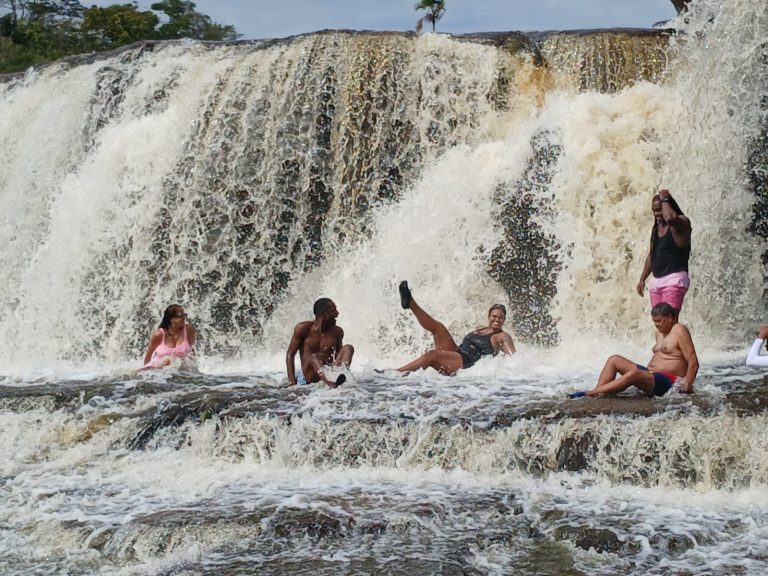
Kaieteur & Orinduik Double Waterfalls Day Tour
Two of Guyana’s most famous waterfalls in one day: up to 2 hours at Kaieteur Falls, lunch, then a swim at Orinduik Falls. Weekends only, $95,000 GYD per person with…
More about Kaieteur
-
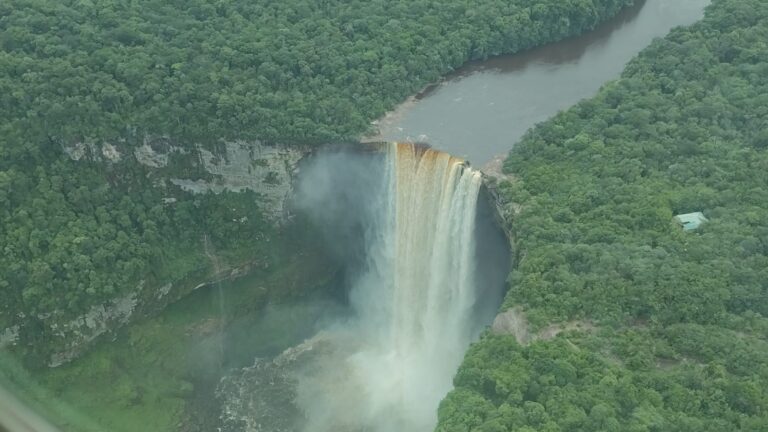
Kaieteur Falls Height: How It Compares to Niagara, Victoria and Angel Falls
-
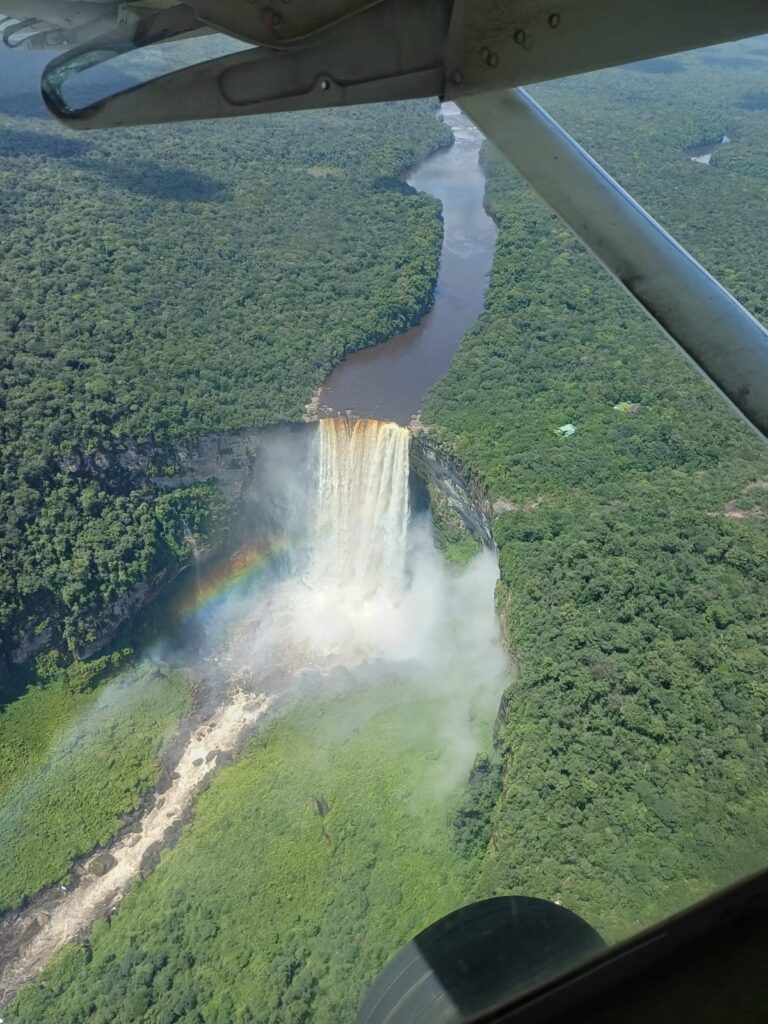
Visiting Kaieteur Falls, Guyana: What to Expect, What to Bring and When to Go
-
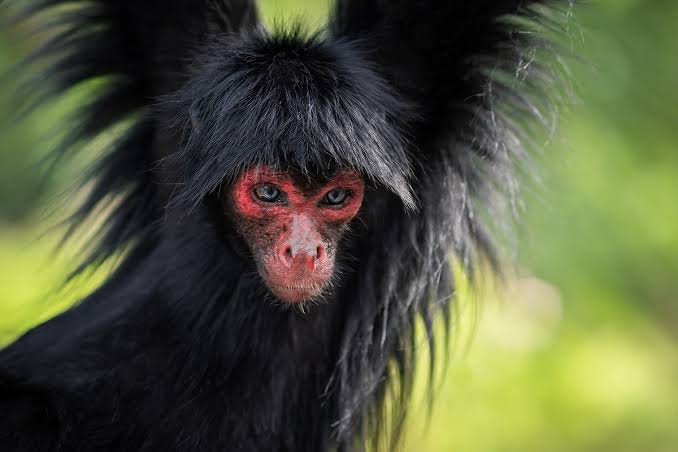
Guianan Spider Monkey (Ateles paniscus)
-
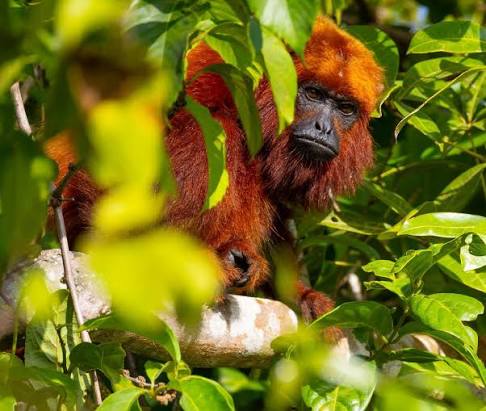
Red Howler Monkey (Alouatta seniculus)
-
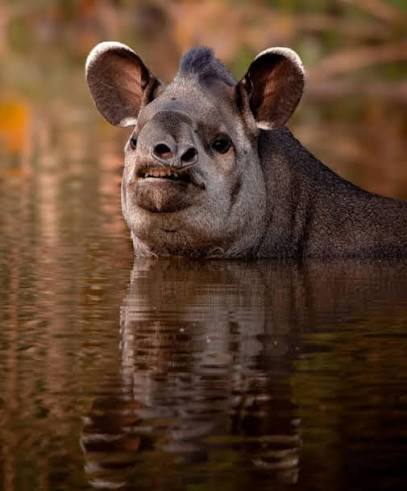
South American Tapir (Tapirus terrestris)
-
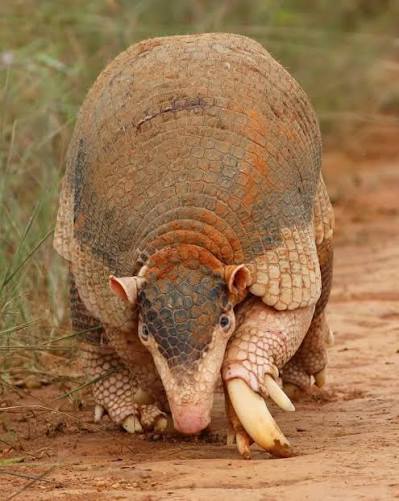
The Giant Armadillo Guyana’s Hidden Armoured Mammal
-
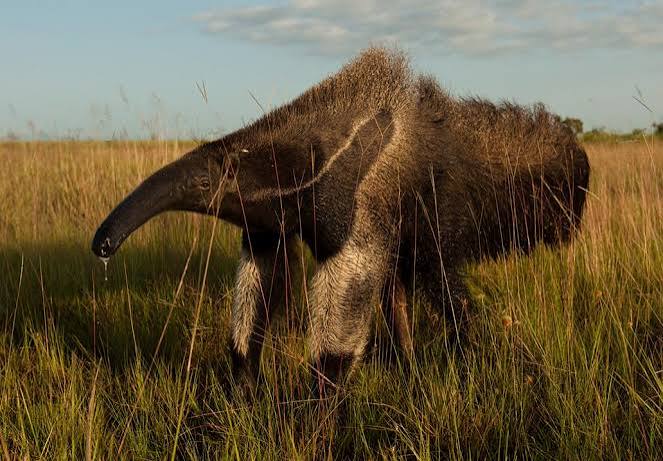
Giant Anteater Guyana’s Remarkable Insect-Eating Mammal
-
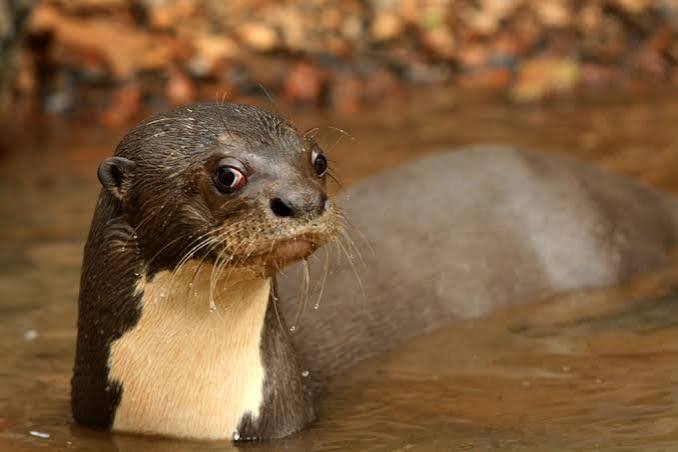
Giant River Otter Guyana’s Playful River Resident
-
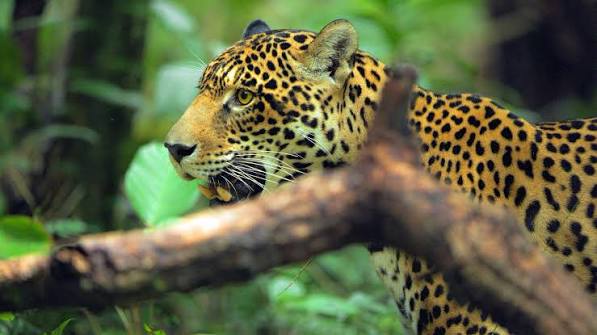
The Jaguar, Panthera onca. The Guardian Of Guyana’s Jungle
-
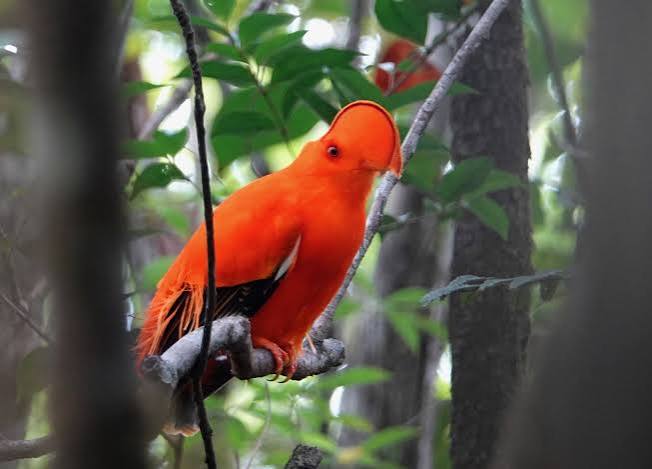
Authentic Birdwatching at Kaieteur Falls
-
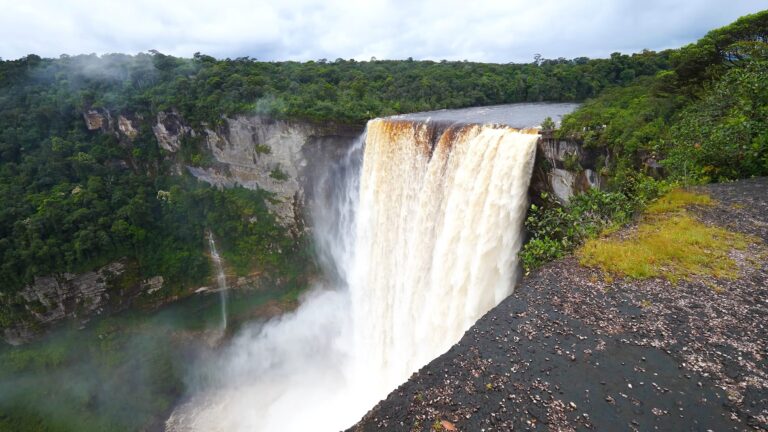
Explore Guyana’s Waterfalls: Tours for Every Adventurer
-

Guyana’s Spectacular Waterfalls [ Photo Gallery ]
-
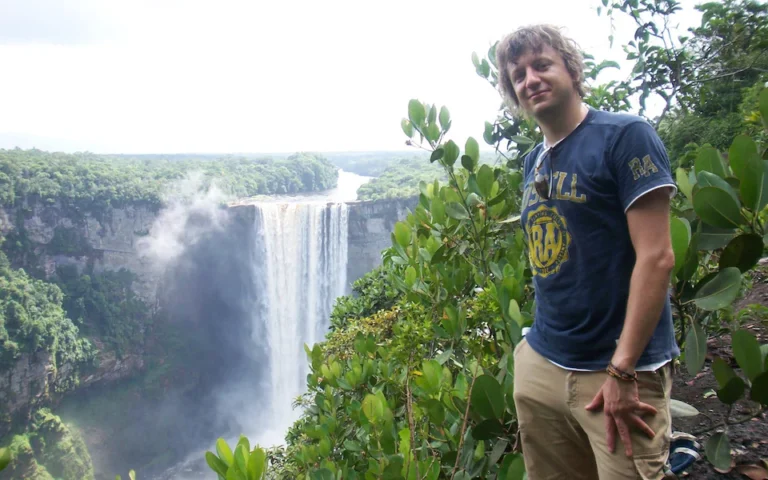
Magic of Kaieteur Falls in Guyana: Chris Leadbeater’s Unforgettable Encounter
-

The Magical Orinduik Falls: A Hidden Paradise in Guyana
-
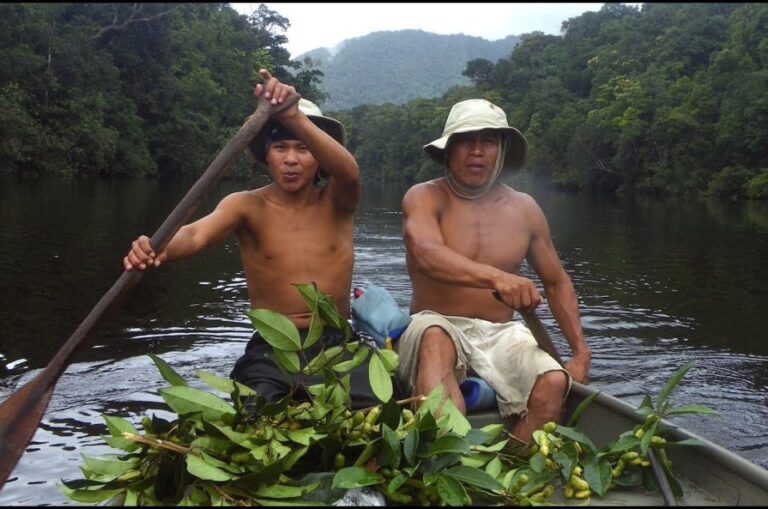
35 day Adventure with Patamona Locals in Guyana
Also see our Kaieteur Falls day tour guide: what to expect, Guyana’s waterfalls, the waterfalls photo gallery and all our tours.
Frequently asked questions
Where is Kaieteur Falls?
On the Potaro River in Kaieteur National Park, in the Potaro-Siparuni region (Region 8) of central Guyana, about 230 km south-west of Georgetown in a straight line.
How tall is Kaieteur Falls?
Kaieteur Falls drops 226 metres (741 feet) in a single plunge, about four times the height of Niagara's Horseshoe Falls.
Is Kaieteur the tallest waterfall in the world?
No. Angel Falls in Venezuela is far taller. Kaieteur stands out for combining a very high single drop with a large volume of water.
How do you get to Kaieteur Falls?
Almost everyone flies from Georgetown by light aircraft, about an hour each way, landing on the park's own airstrip a short walk from the falls. Our day tours include the return flight.
How much does a Kaieteur Falls tour cost?
Our Kaieteur Falls Day Tour is GYD 80,000 per person. The Kaieteur & Orinduik Double Waterfalls Tour is GYD 95,000 per person. Kids pay the adult price.
What's included in the tour price?
The day tour includes the return flight, the national park fee, a tour guide, and a snack with a non-alcoholic drink. The double-waterfalls tour includes flights, park fees, a guide, and lunch with a non-alcoholic drink. Airport transfers are not included.
How long do you spend at Kaieteur Falls?
Up to 2 hours on the ground. The whole day tour takes half a day, and you're back in Georgetown the same afternoon.
Which days do the tours run?
The Kaieteur Falls Day Tour runs Monday, Wednesday, Friday, Saturday and Sunday. The Kaieteur & Orinduik tour runs on Saturdays and Sundays only.
Can you swim at Kaieteur Falls?
No. To swim, choose the Kaieteur & Orinduik tour, which gives you 1.5 to 2 hours in the natural pools at Orinduik Falls.
How hard is the walk?
It's about 20 minutes from the airstrip to the first lookout, mostly level but uneven and rocky in places. Good shoes matter more than fitness.
Is Kaieteur Falls safe to visit?
Yes, with sensible care. A park guide walks with every group. The lookouts are open rock with no railings, so stay with your guide and keep back from the edge, and hold children's hands.
Can children come?
Yes. Kids pay the adult price, and children aged 3 and under go free if they are small-sized; we check the weight of any 3-year-old before confirming.
What happens if the weather is bad?
Flights only go when conditions are safe. That's why we ask for a backup date when you book, and our team contacts you if your flight can't go.
What is the best month to visit Kaieteur Falls?
Any month works. For the clearest views pick the dry seasons, February to April or August to October; for the most water, May to July. December is peak season, so book early.
How far ahead should I book?
As early as you can, especially for December and weekends. Seat availability changes daily, so message us on WhatsApp with your date and a backup date and we'll check.
How do I pay?
A 50% deposit within 48 hours sets up your reservation. You can pay by MMG, cash at our office, or local bank deposit or transfer.
Can I fly a drone at Kaieteur?
Filming at Kaieteur beyond personal photos needs a permit from the Protected Areas Commission. Check with the Commission before you bring a drone.
What does "Kaieteur" mean?
The name is believed to come from the Patamona "Kayik Túwúk", meaning "Old Man's Falls", linked to the legend of Chief Kai.
Ready to stand at the edge? Message Guyana Tours on WhatsApp or call +592-718-2515.
Sources
- Protected Areas Commission: Kaieteur National Park (1929 establishment, 1973 and 1999 boundary changes, Patamona and respectful use; height and flow). As of 11 Nov 2026.
- Protected Areas Trust: Kaieteur National Park (62,700 ha area, golden rocket frog and Brocchinia bromeliads, Guiana Shield). As of 11 Nov 2026.
- Guyana Chronicle / Protected Areas Commission: Protected Area Profile, Kaieteur National Park (Protected Areas Act 2011, Indigenous rights, the name Kayik Túwúk). As of 11 Nov 2026.
- Guyana Tourism Authority: The Kaieteur and Orinduik Experience, 7 Oct 2022 (lookout names, closed viewpoints, trail time, Orinduik). As of 11 Nov 2026.
- Guyana Tourism Authority: filming permits (Protected Areas Commission filming permit at Kaieteur). As of 11 Nov 2026.
- Wikipedia: Kaieteur Falls, citing Brown (1871) in the Journal of the Royal Geographical Society and the World Waterfall Database (average width, coordinates, Kaieteur International Airport). As of 11 Nov 2026.
- Distance: straight-line distance between Georgetown and the falls’ published coordinates; also given as “approximately 230 km” in the Journal of the Botanical Research Institute of Texas 2(1). As of 11 Nov 2026.
- Seasons: Guyana Hydrometeorological Service, as summarised in our best time to visit Guyana guide. As of 11 Nov 2026.
- Comparisons: Niagara Parks study guide 2026–27; UNESCO: Victoria Falls; UNESCO: Iguazu National Park; Geology.com: Angel Falls. As of 11 Nov 2026.
- Tour prices, days, inclusions and the January 2026 trip times: Guyana Tours & Transportation Services, checked 11 Nov 2026. All photos on this page: Guyana Tours guests and team.
