
There is no bad month to visit Guyana, but there are better months for certain trips. Guyana sits just north of the equator, so it stays warm all year. What changes is the rain. Knowing when the wet and dry seasons fall helps you pick the right dates for Kaieteur Falls, a river day on the Essequibo or a road trip to the Rupununi.
Here is how the seasons work and how we plan our tours around them.
Guyana’s seasons at a glance
According to Guyana’s Hydrometeorological Service (Hydromet), the country has an equatorial climate with high humidity, seasonal rain and only small changes in temperature. Across most of the country there are two wet seasons and two dry seasons:
- February to April: first dry season
- May to July: main rainy season, known locally as the “May/June rains”
- August to October: second dry season
- November to January: second, shorter rainy season
Hydromet notes that the May to July rains are longer and heavier in the northern and highland areas. It also explains that the rainy season ends at different times: in the north the change usually comes in mid-July, while in the south of Guyana it comes in August.
“Dry season” does not mean no rain, and “rainy season” does not mean all-day rain. It means more frequent, heavier showers.
Month by month: what to expect
February to April: the classic dry season
A favourite window for many travellers: easier interior roads and clearer skies. It is also Rodeo season in the Rupununi. Our Rupununi Rodeo 2027 tour runs March 25 to 29, 2027, right in the middle of this dry spell.
May to July: the big rains
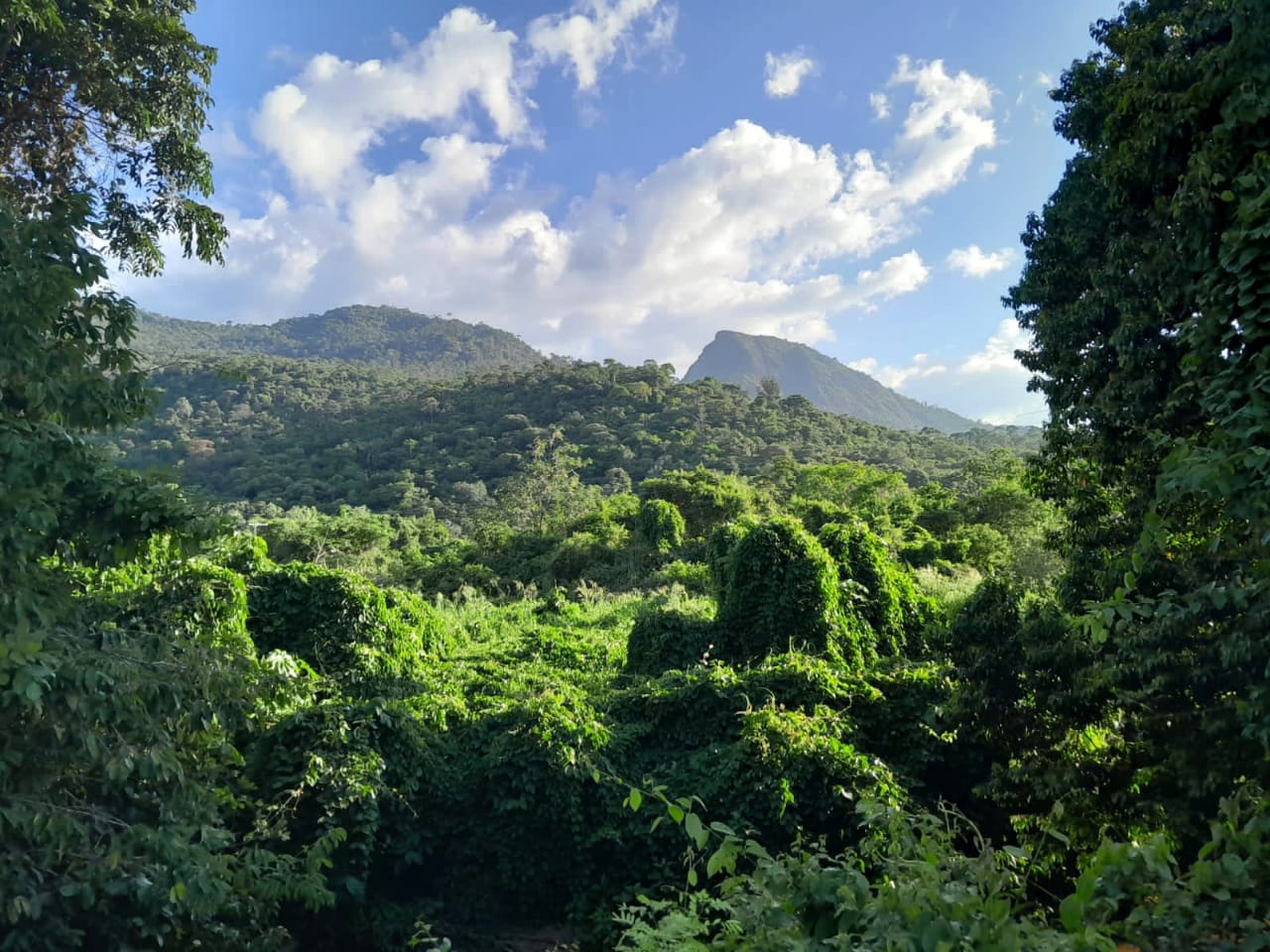
The wettest stretch of the year. Rivers run high and the forest is at its greenest. Expect showers most days, slower interior roads and the chance that a flight has to wait for better weather.
August to October: the second dry season
Another good window for touring, with drier days across much of the country.
November to January: short rains and the holidays
Many Guyanese abroad come home now for Christmas and Old Year’s. Showers become more frequent. Hydromet shares seasonal outlooks at its National Climate Outlook Forum; in November 2025, for the December to February season, it expected near- to above-normal rain across most regions, with a higher chance of wetter conditions along the coast. Check this year’s outlook before you travel.
Best time for each of our tours
Kaieteur Falls
Kaieteur is worth seeing in any season. After rain the falls are fuller and more powerful; in drier months the views from the lookouts are often clearer. Our Kaieteur Falls day tour costs GYD 80,000 per person and includes the return light-aircraft flight over the rainforest, the Kaieteur National Park fee, a tour guide, and a snack with a non-alcoholic drink. Flights run on Mondays, Wednesdays, Fridays, Saturdays and Sundays. If you also want a swim, the Kaieteur and Orinduik tour (GYD 95,000) runs on weekends only.
Because small planes fly only in safe weather conditions, we ask every guest for a backup date when booking. If your flight cannot go, our team will contact you. Read our Kaieteur Falls tour guide for how the day runs, and use the month-by-month planner in our complete Kaieteur Falls guide.
Essequibo River
For a river day, bring a light rain jacket in the wetter months. Until December 31, 2026, our Essequibo River island hopping tour All-Inclusive package is 20% off: GYD 20,000 instead of GYD 25,000. It includes the bus from Georgetown to Parika and back, the speedboat tour, island day passes, water, juice, snacks and lunch at Aruwai White H2O Resort. See our Essequibo tour-day guide for the full schedule.
Rupununi and Brazil
The south has its own rhythm, with the main rains ending later than in the north. For the Rodeo trip in March, late bookings are open while seats last. The price is GYD 170,000 per person or GYD 300,000 per couple, with a non-refundable deposit of GYD 30,000 per person and the balance due by February 5, 2027. Planning it yourself? See how to get to the Rupununi Rodeo.
Packing tips for any season
- A light, packable rain jacket or poncho
- Quick-dry clothes and shoes with good grip for wet trails
- Sunscreen, a hat and insect repellent, even on cloudy days
- Flexible plans: leave a spare day for flight-based tours
Frequently asked questions
What is the best month to visit Guyana?
For the driest weather, aim for February to April or August to October. For Christmas and family visits, December works well; just pack for showers and keep a backup date for flights.
Can I visit Kaieteur Falls in the rainy season?
Yes. Flights operate when conditions are safe. We ask for a backup date, and our team will contact you if your flight cannot go.
Is the weather the same everywhere in Guyana?
No. Hydromet notes the main rains are heavier in the north and highlands and end later in the south, around August instead of mid-July.
Plan your dates with us
Not sure which month suits your trip? Browse all our Guyana tours.
Book on WhatsApp +592-718-2515
Sources
- Guyana Hydrometeorological Service, “Meteorology in Guyana” (presentation hosted by the Caribbean Institute for Meteorology and Hydrology): cami.cimh.edu.bb
- Department of Public Information, “Heavy rain anticipated to end in mid-July/August – Hydromet Office”, June 2, 2021: dpi.gov.gy
- Guyana Times, “Guyana could experience above-normal rainfall between December and February – Hydromet warns”, November 18, 2025: guyanatimesgy.com
