
Birdwatching at Kaieteur Falls
Kaieteur National Park is an exceptional destination for birdwatchers. Its rainforest canopy, rocky ravines and dramatic waterfall cliffs create a variety of habitats for birds, including the Harpy Eagle, Guianan Cock-of-the-Rock and Scarlet Macaw.
Table of Contents
The park’s wider bird list includes numerous swifts, hummingbirds, raptors, toucans and forest species. Some are easy to notice, while others require patience, a good pair of binoculars and help from a local guide.
Harpy Eagle
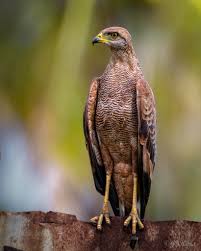
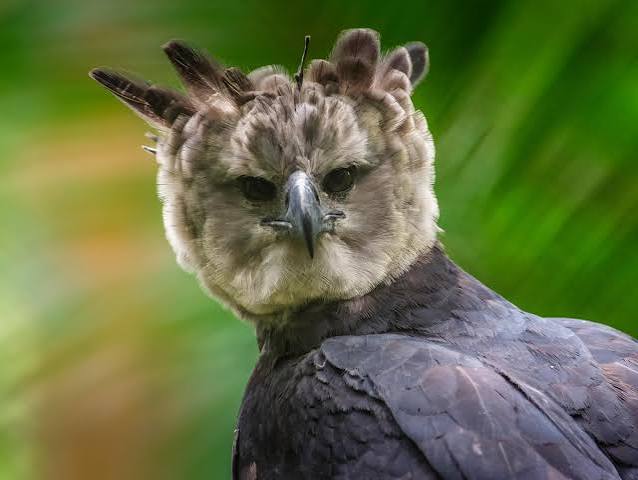
The Harpy Eagle (Harpia harpyja) is one of if not the most impressive birds in the Kaieteur region. It is also one of the most difficult to see. This powerful forest raptor spends much of its time high above the ground, moving through the canopy and over large areas of rainforest.
Keep an eye on the treetops and watch for a large silhouette perched among the branches. Even when the eagle does not appear, activity among the canopy birds may provide a clue that a larger predator is nearby. A Harpy Eagle sighting is never guaranteed, but it would be one of the highlights of any trip to Guyana.
Guianan Cock-of-the-Rock
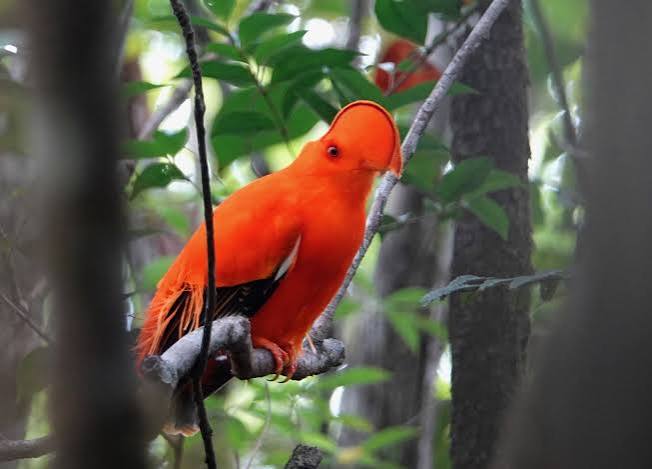
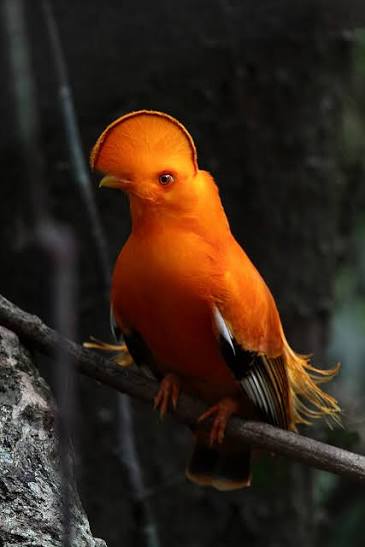
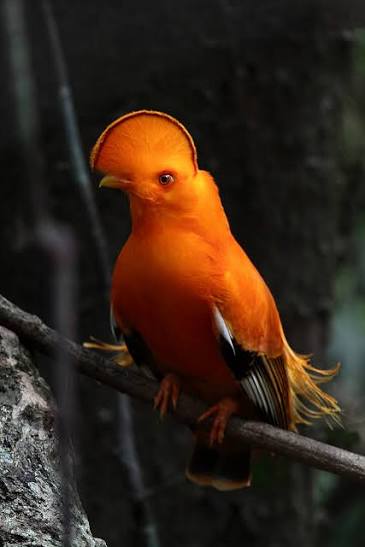
The Guianan Cock-of-the-Rock (Rupicola rupicola) is one of Kaieteur’s most famous birds. The male is unmistakable, with brilliant orange plumage and a distinctive fan-shaped crest. Females are much less conspicuous, with muted grey-brown colouring and a smaller crest.
This species favours rocky forest areas, ravines and caves. Kaieteur is an important location for visitors hoping to see the Guianan Cock-of-the-Rock, although quiet movement and patience are essential.
Scarlet Macaw
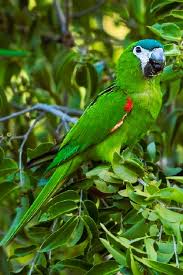
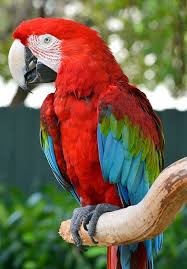
Scarlet Macaws (Ara macao) are among the more noticeable birds in the rainforest. Their vivid red, yellow and blue plumage stands out against the green canopy, while their loud calls often give them away before they come into view.
Look above the treetops and across open sections of sky, especially during the morning and late afternoon. Macaws may travel in pairs or small groups between feeding and roosting areas.
Swifts Behind the Falls
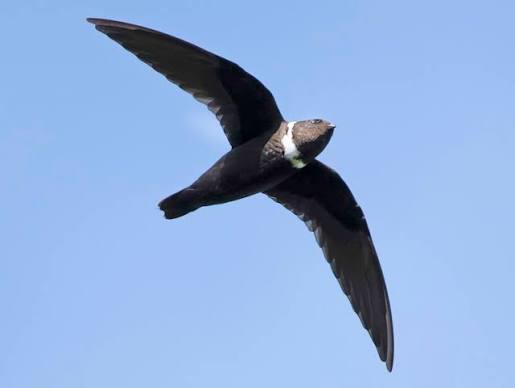
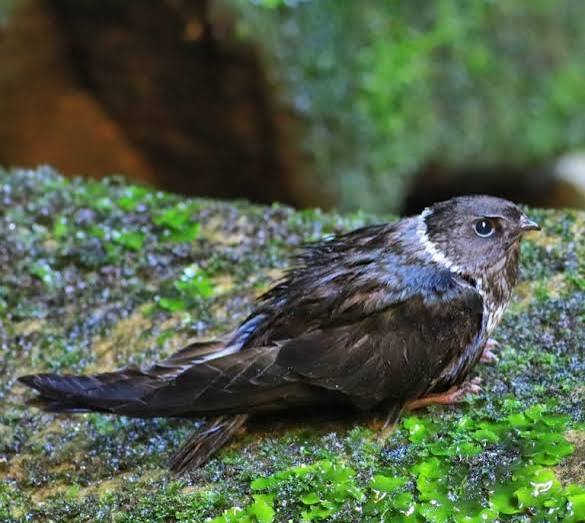
The cliffs around Kaieteur Falls offer one of the most memorable birdwatching spectacles in the park. White-collared Swifts (Streptoprocne zonaris) and other swift species can be seen flying through the mist and spray around the waterfall. The park checklist also includes White-chinned Swift, White-tipped Swift and Tepui Swift.
The birds move quickly, often sweeping across the face of the falls or disappearing behind the spray. White-collared Swifts may gather in large, swirling flocks, while the smaller species can be harder to identify without binoculars or an experienced guide.
When visiting the falls, spend a few minutes looking away from the main viewpoint and toward the cliffs. The swifts are easy to miss if all your attention remains on the waterfall itself.
Toucans and Motmots
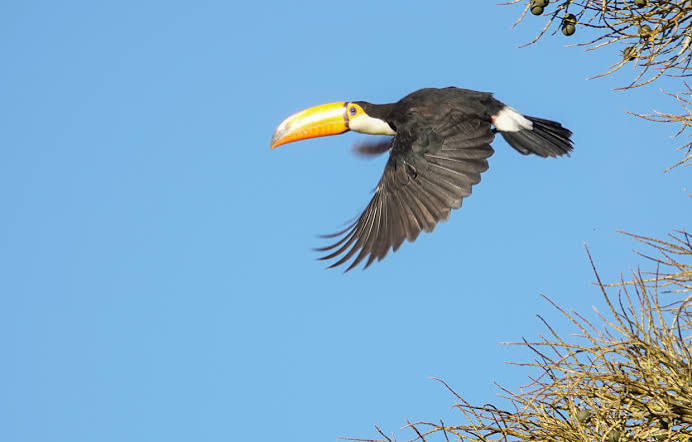
Toucans may be seen moving through the upper canopy or calling from fruiting trees. Their large bills and bold colours make them exciting sightings, but dense foliage can make photography difficult.
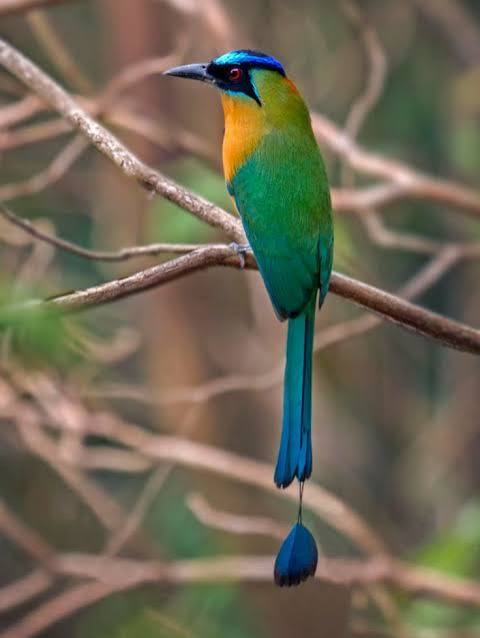
Amazonian Motmots are more secretive. They often sit quietly in shaded forest, where their subdued movements and natural camouflage help them go unnoticed. Forest trails, ravines and areas with thick undergrowth are good places to look.
A guide familiar with local bird calls can make a significant difference, particularly when searching for motmots and other quiet forest species.
Tanagers and Hummingbirds
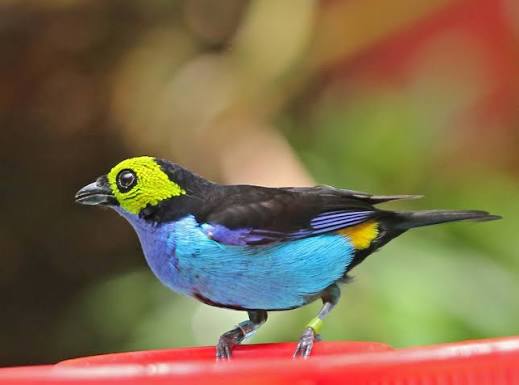
Paradise Tanagers add bright colour to the Kaieteur forest. Their blue, green and orange plumage may appear briefly as they move through the canopy or along the edge of the forest. Because they are small and active, it is worth watching fruiting trees and flowering plants for several minutes rather than moving on too quickly.
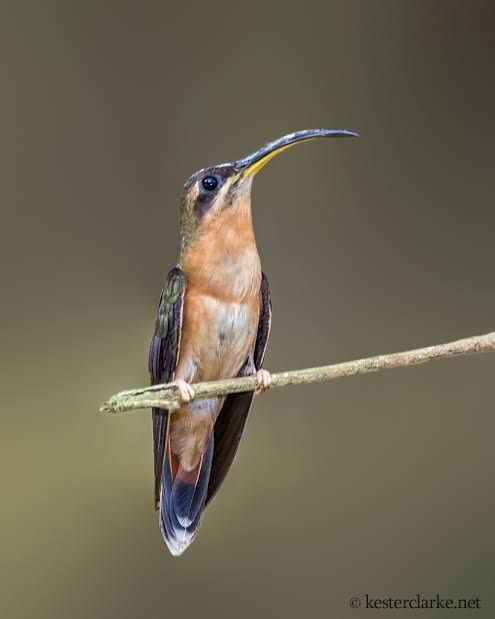
The park also supports several hummingbird species, including the striking Crimson Topaz (Topaza pella). Look for hummingbirds around flowers, forest clearings and open areas beside trails. Their rapid flight can make them challenging to follow, but binoculars reveal details that are easy to miss with the naked eye.
Birdwatching Tips
- Visit early in the morning, when bird activity is usually highest.
- Bring binoculars and, if possible, a camera with a telephoto lens.
- Listen for calls before searching the trees; many rainforest birds are heard first.
- Scan the canopy for Harpy Eagles, macaws and toucans.
- Watch the cliffs and spray zone for White-collared Swifts.
- Move slowly and quietly near rocky ravines where Cock-of-the-Rock may occur.
- Hire a local guide who can recognize bird calls and identify suitable habitats.
- Avoid loud noises and keep away from nesting or roosting birds.
A Memorable Birding Experience
Birdwatching at Kaieteur and Orinduik Falls is about more than ticking species off a list. It is the experience of hearing macaws call across the forest, watching swifts carve through the waterfall mist and searching the canopy for a Harpy Eagle that may never reveal itself.
At Kaieteur, the Guianan Cock-of-the-Rock and cliff-dwelling swifts are particular highlights. Around Orinduik, the mix of forest, river and open habitat offers a different selection of birds. Together, the two waterfalls provide an unforgettable introduction to Guyana’s interior birdlife.