Guyana
Complete Visitor's Guide to Guyana
Overview: The Land of Giants
Guyana is a unique South American nation that stands apart from its Spanish and Portuguese-speaking neighbors as the only English-speaking country in South America. Often called the "Land of the Giants," Guyana offers untouched rainforests, towering waterfalls, rare wildlife, and vibrant multicultural culture. With 77% of the country covered in rainforest and 7% in savannah, it's one of the world's last true wilderness destinations.
Key Facts for Visitors
| Capital | Georgetown (population ~200,000) |
| Location | Northern South America, Atlantic coast |
| Language | English (official) |
| Currency | Guyanese Dollar (GYD); ~200 GYD = 1 USD |
| Climate | Tropical rainforest; 23–30°C year-round |
| Best Time to Visit | Dry seasons: February–March & September–October |
| Tourism Growth | Arrivals up 24% (Jan–Oct 2025 vs. 2024) |
Understanding Guyana
History & Culture
Guyana has changed hands between Dutch, French, and British colonial powers, with Georgetown renamed for King George III in 1812. The country's culture is a vibrant fusion of African, Indian, Indigenous Amerindian, Chinese, and European influences.
Ethnic Diversity:
- East Indian (Indo-Guyanese)
- African (Afro-Guyanese)
- Amerindian (Indigenous)
- Chinese & European descendants
Geography
Guyana consists of five protected areas including Kaieteur National Park, Iwokrama Rainforest Reserve, and Kanuku Mountains. The coastal plain where Georgetown sits is 1 meter below sea level, protected by Dutch-built seawalls and canal systems.
Getting to Guyana
By Air
Cheddi Jagan International Airport (GEO) is the main international airport:
- Caribbean Airlines: New York City, Port of Spain
- American Airlines: Miami, New York-JFK
- Delta Air Lines: New York (twice-weekly)
- JetBlue, Eastern Airlines: New York
- Copa Airlines: Panama City
- Surinam Airways: Miami, Paramaribo, Orlando/Sanford (peak season)
Important: No ATM at the airport—bring currency. Immigration processing is notoriously slow, especially on late-night flights.
Airport to Georgetown:
- Taxi: US$25 (G$5,000), 45–60 minutes
- Minibus #42 to Timeri bus park: G$260, then taxi G$400 to hotel
Ogle Airport (OGL): Domestic flights, ~6 miles from Georgetown
By Land
- From Suriname: Minibus from Paramaribo to South Drain (~US$15, 3+ hrs), ferry across river (30 min, US$10), then minibus #63a to Georgetown
- From Brazil: Travel to Bonfim border, walk across, take minibus/taxi to Lethem, then to Georgetown (14–18 hr dirt road journey)
Entry Requirements
Visa & Passport
- Passport: Valid for at least 6 months with 2 blank pages
- Visa: Most nationals receive 30 days visa-free; some European countries (Bulgaria, Croatia, Cyprus, Czech Republic, Estonia, Hungary, Latvia, Lithuania, Malta, Poland, Romania, Slovakia, Slovenia) require visas
- Tourist Visa: Required for stays ≤3 months; costs £20 (single-entry)
Required Documents for Visa
- Completed application form + 2 passport photos
- Valid passport (6+ months validity)
- Bank statement showing sufficient funds
- Flight itinerary with return/onward travel
- Hotel reservation or invitation letter
Health Requirements
Recommended Vaccinations: ( not required but good to have )
- Hepatitis A & B
- Typhoid
- Tetanus-Diphtheria
- Rabies (especially for children)
- Yellow Fever Vaccination Certificate
Health Risks:
- Malaria: Risk in interior; prophylaxis recommended for certain regions/seasons
- Mosquito-borne diseases: Dengue, Zika, Chikungunya, Oropouche virus
- Limited medical facilities in remote areas
Protection Tips:
- Wear long sleeves/pants, use repellent (30%+ DEET, 20–50% IR3535, or 30% PMD)
- Sleep under mosquito nets or in air-conditioned rooms
- Drink only bottled water
Best Time to Visit
Guyana has a tropical rainforest climate with stable temperatures year-round (23–30°C).
| Dry Season 1 | February–March | Ideal for travel; best for interior/rainforest |
| Wet Season 1 | May–July | Wettest period; less ideal for trekking |
| Dry Season 2 | September–October | Second driest period; flora blooms |
| Wet Season 2 | December–January | Less intense rain season |
For interior/rainforest exploration: September to April is ideal
Top Attractions & Activities
Georgetown Highlights
Historic Buildings:
- St. George's Cathedral: World's tallest wooden structure (45 m tower), built 1892–1899
- Stabroek Market: Iconic iron market with clock tower, dating to 1881
- Parliament Building: Dates to 1829/1834
- Georgetown City Hall: Gothic Revival (1889), "most picturesque structure"
- Georgetown Lighthouse: Dutch-built (1817), red-and-white striped
- St. Andrew's Kirk: Completed 1818, Dutch Reformed Church
Museums:
- National Museum of Guyana: History of Guyana and the Guianas; free entry
- Walter Roth Museum of Anthropology: Amerindian heritage, artifacts, costumes; free
- Castellani House: National Art Gallery with Guyanese paintings/sculptures; free
- Cheddi Jagan Research Center: Exhibits on past president and country history
Parks & Wildlife:
- Botanical Gardens: Free, large garden with Victoria Lilies (national flower), birds, manatees, Victorian-era "kissing bridges"
- Guyana Zoo (inside Botanical Gardens): Parakeets, toucans, monkeys, tapirs, jaguars, caymans; G$200 adults, G$100 children
- Promenade Gardens: Tropical plants
Cultural Sites:
- Umana Yama: Traditional Wai-Wai Amerindian hut, cultural center on Water St
- Independence Arch: Gift from British Queen (1966 independence)
- 1763 Monument: Commemorates slave revolt
Interior & Wildlife Adventures
Kaieteur Falls:
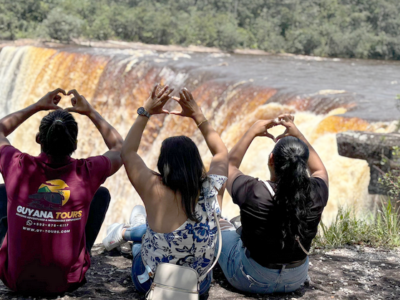
- One of the world's tallest single-drop waterfalls with massive water volume
- Located in Kaieteur National Park on the Potaro River
- Day trips by plane: From US$275 per person; book ahead
- Best time: September–November (flora in bloom)
Rupununi Region:
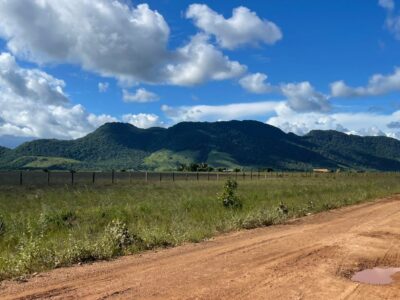
- Savannah, mountains, and rainforests meet
- Home to endangered species, cattle ranches, ATV riding, sunrise safaris
- Karanambu Ranch: Giant river otter rehabilitation project
Wildlife You Can See:
- Giant river otters, giant turtles, giant anteaters
- Jaguars (largest in South America)
- Harpy eagles (largest in the Americas)
- 900+ bird species: Toucans, parrots, macaws, Guianan cock-of-the-rock
- Victoria Amazonica water lily (world's largest lily, national flower)
- West Indian manatees (20+ in Georgetown's National Park)
Other Activities:
- Demerara Rum Distillery: Tours (G$30), 15-min minibus ride
- Providence Stadium: National cricket stadium (20,000 capacity)
- Victoria village: First village bought by slaves; Holy Communion Lutheran Church (country's first)
Getting Around Guyana
In Georgetown
Minibuses (Route Taxis):
- Most common transport; G$60 within city, G$60–G$1,000 depending on distance
- Run 24/7; risky at night but cheap
Taxis:
- License plates begin with 'H'
- Fares: G$400–G$500 within city; airport to town: G$5,000
- "Yellow" taxis have best reputation
- Ask hotel to recommend trusted driver; get mobile number
Between Cities
- Coastal drive: Georgetown to New Amsterdam (2 hours), crosses Berbice Bridge
- Brazil border: 14–18 hr dirt road to Lethem; pack water/snacks, breakdowns common
Money & Shopping
Currency
- Guyanese Dollar (GYD): ~200 GYD = 1 USD (rate varies slightly)
- Cash is king: Credit cards rarely accepted outside major tourist areas
- US dollars accepted for most transactions
- Only Scotiabank accepts foreign cards in Georgetown
Money Tips
- Carry small denominations for tips/small purchases
- Use authorized exchange bureaus or banks
- Be cautious of counterfeit notes
- Bring cash for rural areas and small vendors
Shopping
Best Souvenir Spot: Hibiscus Plaza (outside General Post Office)
What to Buy:
- Rum: El Dorado (15-year won "Best Rum in the World" since 1999)
- Wood carvings: Artists outside Hotel Tower
- Gold jewelry: Royal Jewel House, Topaz Jewellers, Kings Jewellery World
- Local fashion: Designers Michelle Cole, Pat Coates, Roger Gary
Shopping District: Bounded by Hadfield St (south), Water St (west), Albert St (east), Middle St (north)
Food & Drink
Must-Try Foods
- Pepperpot: Hearty, flavorful national stew
- Curries: Vegetarian and non-vegetarian (Indian influence)
- Roti, dhalpuri: Indian flatbreads
- Amerindian cuisine: Cassava, traditional dishes
- Local proteins: Chicken, pork, steak, shrimp, prawns, fish
Restaurants in Georgetown
Budget:
- Stabroek Market cookshops: Best local food, daytime only
- JR Burgers: Flame-grilled burgers, rotisserie chicken, Jamaican patties
Mid-range:
- Shanta's Puri Shop: Curries, roti, Indian food
- Brasil Churrascaria & Pizzaria: Good food, caipirinhas
- New Thriving: Chinese restaurant with buffet
Splurge:
- El Dorado (Le Meridien Pegasus): Italian fine dining, seafood/meat/pasta
- Bottle Restaurant (Cara Lodge): Excellent food
Fast Food: Burger King, KFC, Pizza Hut, Popeyes available
Drinks
- El Dorado rum: 5, 10, 12, 15, 25-year varieties (15-year = "Best Rum in the World")
- Banks beer: National beer (lager & milk stout)
- Guinness: Brewed locally, slightly sweeter than Irish version
- Malta: Sweet non-alcoholic soda worth trying
- Drink bottled water only
Rum Shops
Small rum shops found throughout the city, especially in rural areas
Where to Stay
Budget (G$4,000–7,500 / US$28–38)
- Tropicana Hotel: Cheapest (G$4,000–5,000), above bar with loud music, no AC, fan only
- Rima Guesthouse: Popular backpacker hostel, clean decorated rooms, shared bathroom, Wi-Fi (G$5,500–6,500)
- Armoury Villa Hostel: AC, Wi-Fi, gym, kitchen (G$7,304)
Mid-range (US$45–95)
- El Dorado Inn: 8-room inn in colonial area (US$95)
- Ocean Spray International: AC, breakfast, Wi-Fi, fridge (US$57–75)
- Sleepin International: From US$45 + 16% tax
Splurge (US$125+)
- Cara Lodge: Wooden building from 1840s, hosted Jimmy Carter & Mick Jagger (from US$125)
- Pegasus Hotel: Main business hotel, slightly shabby but reliable (from US$150)
- Guyana Marriott Hotel: Next to Seawall at river mouth
- Grand Coastal Suites: Colonial-style, family-run, near CARICOM headquarters
Tip: Tourism is underdeveloped; ask taxi drivers/barkeepers for private accommodations (more affordable than online listings). Book only 1–2 nights upfront, then hunt locally.
Safety & Health
Crime
Georgetown is notorious for petty street crime:
- Do not walk alone at night or day unless you know the area
- High-crime areas: Tiger Bay (east of Main St), Albouystown, Ruimveldt, southeastern city, Buxton
- Stabroek Market covered area: Can be dangerous; visit with group or trusted Guyanese
- Police: Unlikely to help unless they witness crime
- Avoid wearing jewelry (even cosmetic/gaudy)
Good news: Crime rarely targets tourists; be sensible about company, location, and behavior.
Safety for LGBTQ+ Visitors
- Homosexuality is illegal (life imprisonment sentence, though no charges filed)
- No local gay scene; most remain closeted
- Public displays of affection are frowned upon and can lead to discrimination/attacks
- No gay-friendly hotels, resorts, or bars
- Be very cautious and conservative in behavior
Cultural Sensitivity
- Discuss ethnic relations, politics, and socio-economic issues with tact and patience
- These topics can lead to heated debate; as an outsider, you might be seen as "part of the problem"
Extending Your Trip: Go Next
Domestic Destinations
- Kaieteur Falls: Day trips from US$275; book ahead
- Rupununi Savannah: Wildlife, ranches, giant otters
- Iwokrama Rainforest Reserve: Protected area with biodiversity
International Borders
- Suriname: Minibuses leave 04:00; flights from Ogle Airport (2 daily); tourist card required from embassy
- Brazil: 14–18 hr dirt road to Lethem; walk across border or boat (US$1.50); stamp out of Guyana yourself
Practical Tips for Visitors
Cost of Living (High)
- Petrol: US$1.25/liter
- Electricity: US$0.33/unit
- Rent (central safe locations): >US$750/month
- Income tax: 33.33%
Communication
- Ask taxi drivers, barkeepers, and locals for accommodation contacts and tips
- Many hotels post rates without 16% tax (price you pay is higher)
Transportation Reality
- Guyana's highway network is poor; roads lead along coast and short distances inland
- Breakdowns are notorious on dirt roads; pack water/snacks
Why Visit Guyana?
- Untouched wilderness: 77% rainforest, minimal tourism development
- Authenticity: "As anti-touristy as it gets"
- Biodiversity: 900 bird species, giant wildlife, endangered species
- Cultural richness: Multicultural fusion, unique cuisine, living heritage
- Growing destination: Tourism up 24% in 2025; expected 3 million passengers by 2030
Guyana is for travelers seeking authentic adventure rather than polished tourism. It rewards those willing to embrace rough conditions, respect local culture, and explore one of South America's last true wilderness frontiers.